Chloride Process
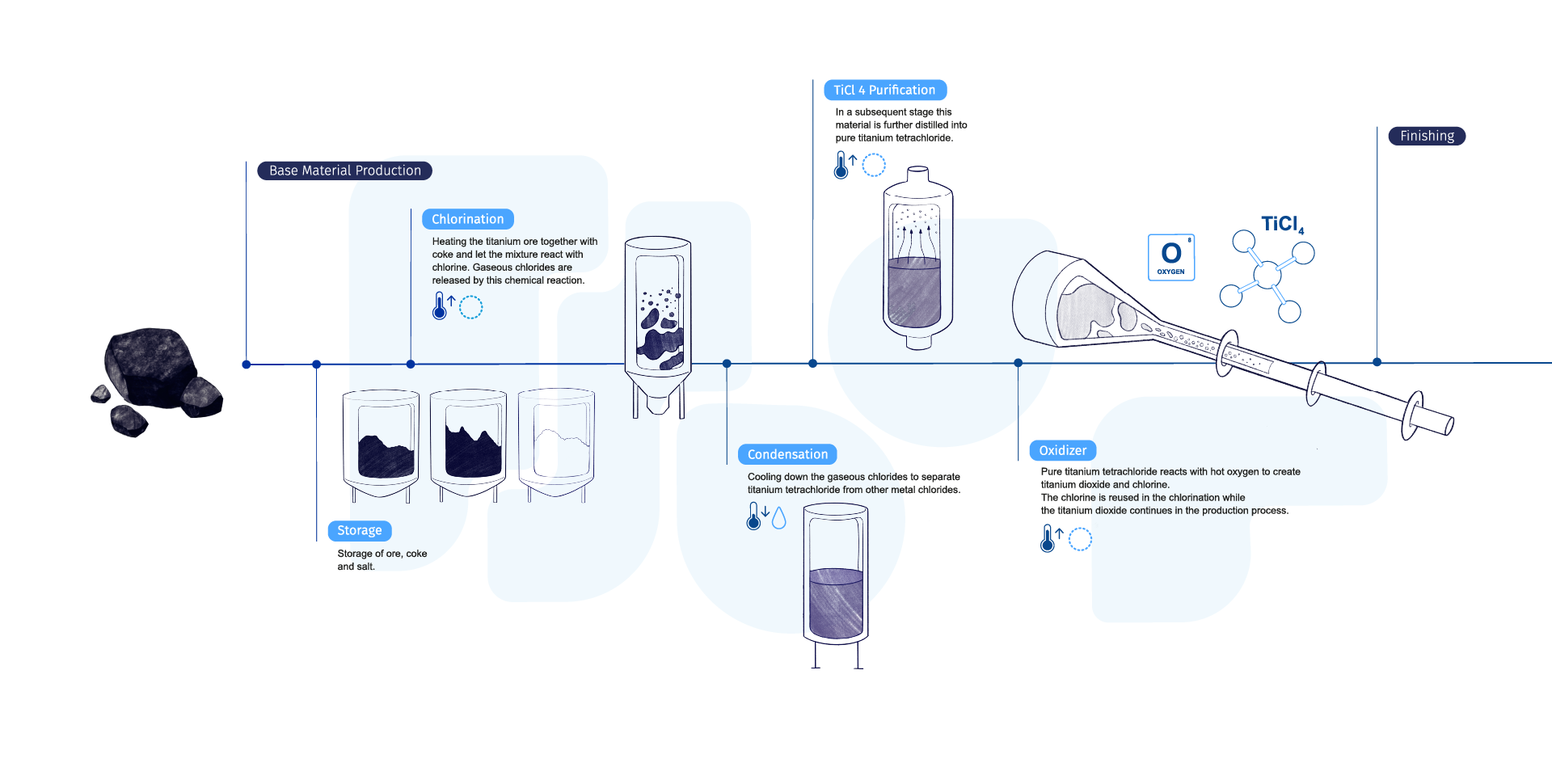
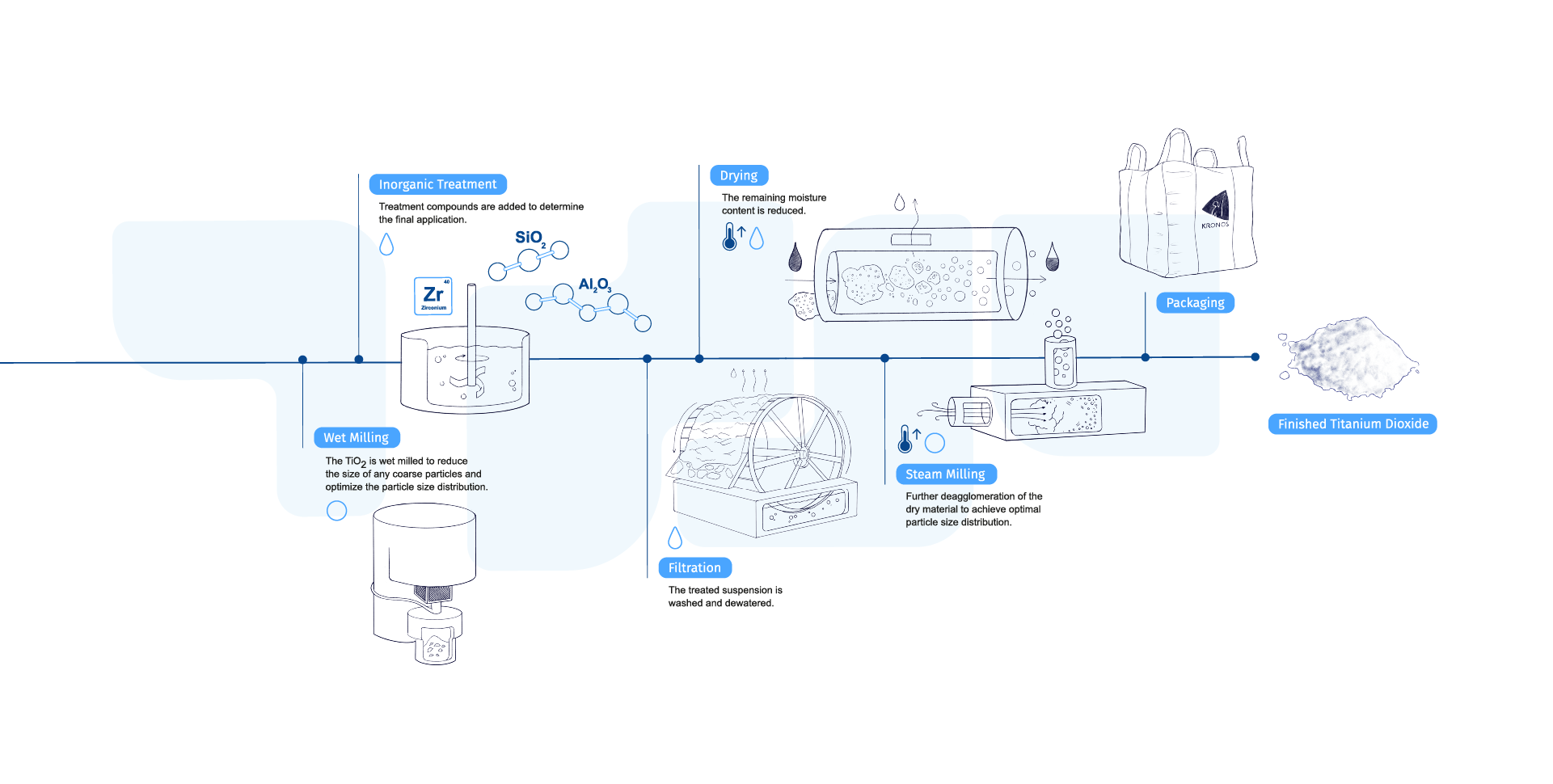
KRONOS developed the chloride process and commissioned its first chloride plants in the second half of the 1960s. The products from this process complement the KRONOS titanium dioxide pigments produced by the sulfate process.

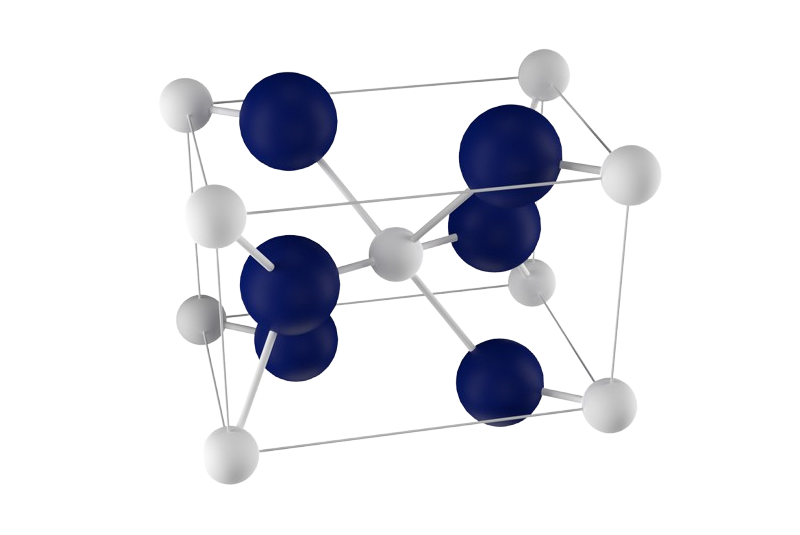
| Titanium dioxide is a naturally occurring oxide of titanium. It has the highest refractive index of any material known to man, even the diamond, and is one of the whitest materials on earth. When produced as a fine powder, it transforms into a pigment that provides maximum whiteness and opacity. TiO2 pigments are used in paints and coatings, plastics, paper, building materials, cosmetics, pharmaceuticals, inks and many other commercial products.
However, nature does not yield titanium dioxide in a usable form. It must be carefully mined in one of its pure forms, such as rutile beach sand, and refined into a fine uniform particle size. KRONOS uses both the chloride and sulfate production processes to accomplish this. |
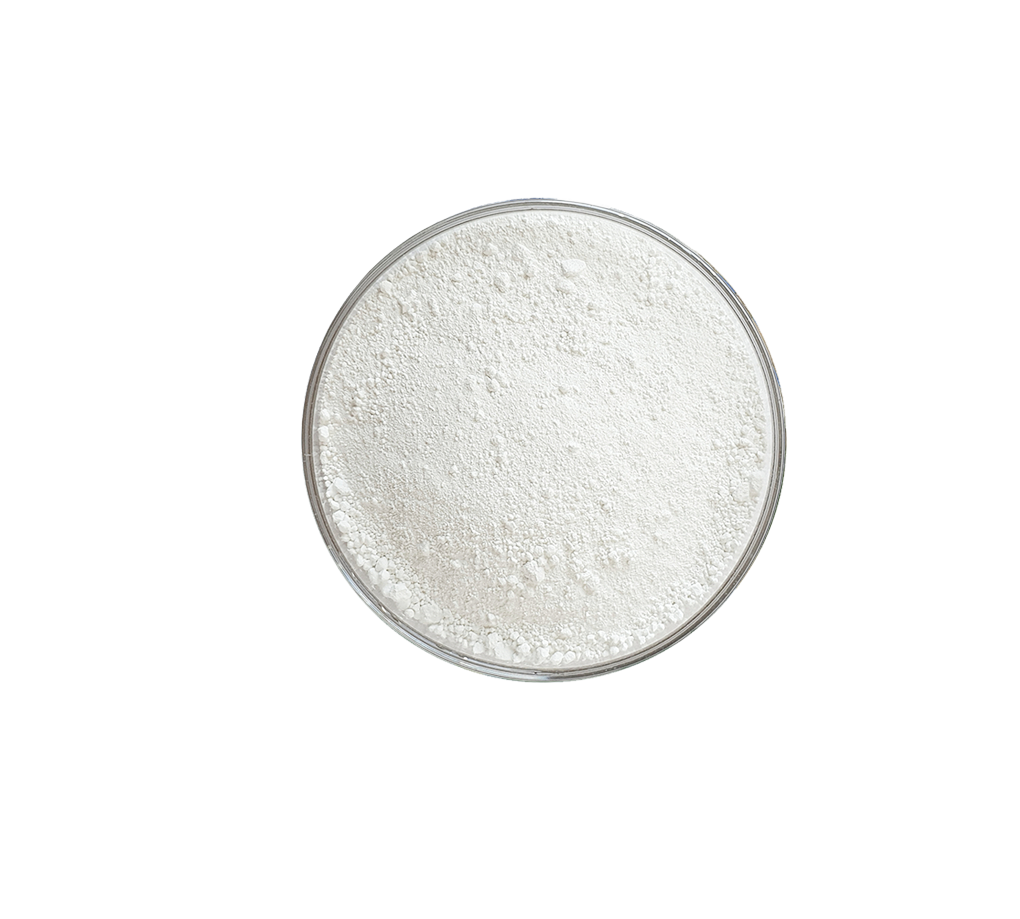


KRONOS developed the chloride process and commissioned its first chloride plants in the second half of the 1960s. The products from this process complement the KRONOS titanium dioxide pigments produced by the sulfate process.

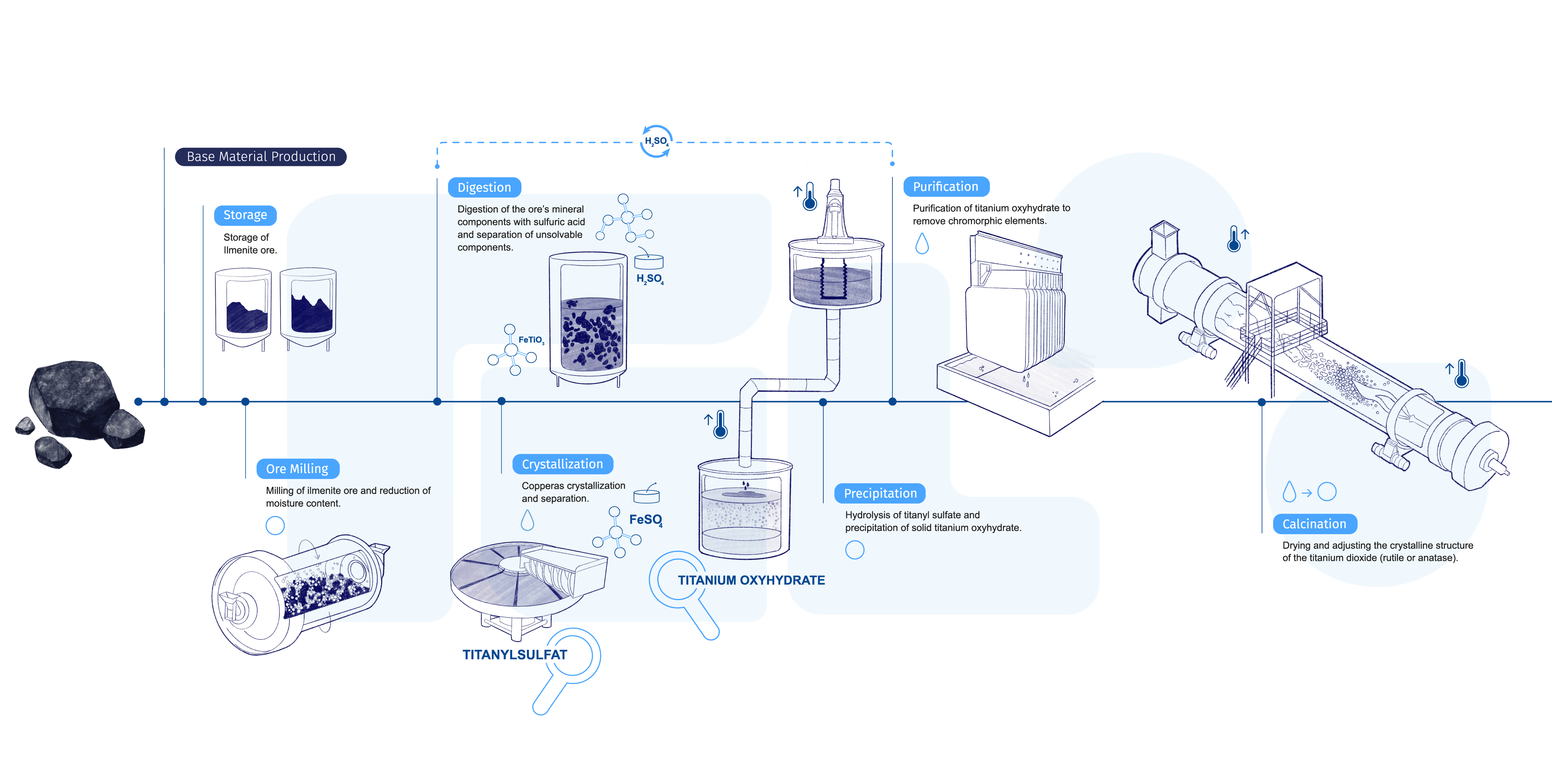
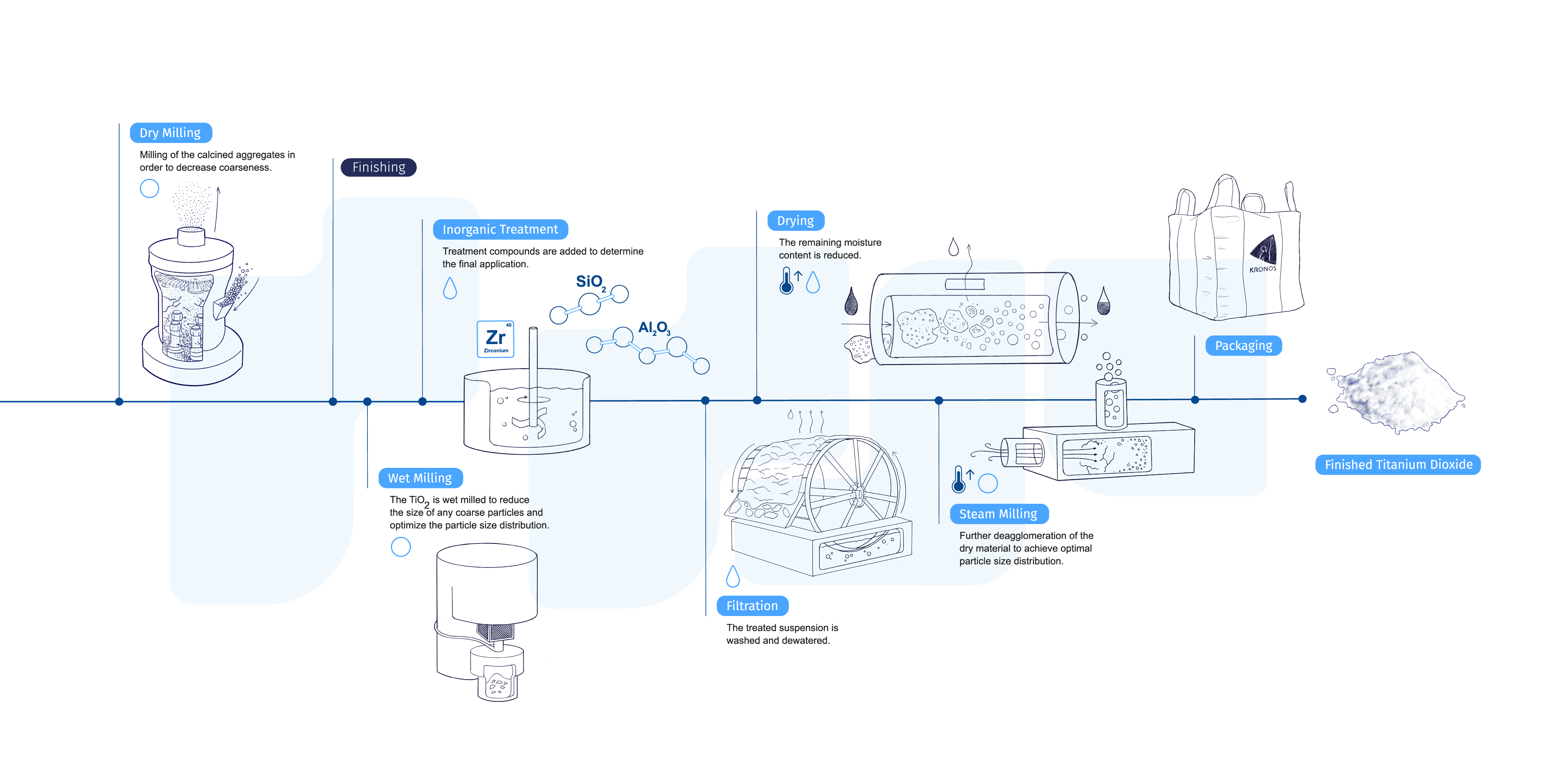
KRONOS was granted original patents for the sulfate process and has been producing titanium dioxide pigments using this process continuously since 1916. KRONOS still uses the sulfate process to produce high-quality grades for the coating, ink, fiber and paper industries.